
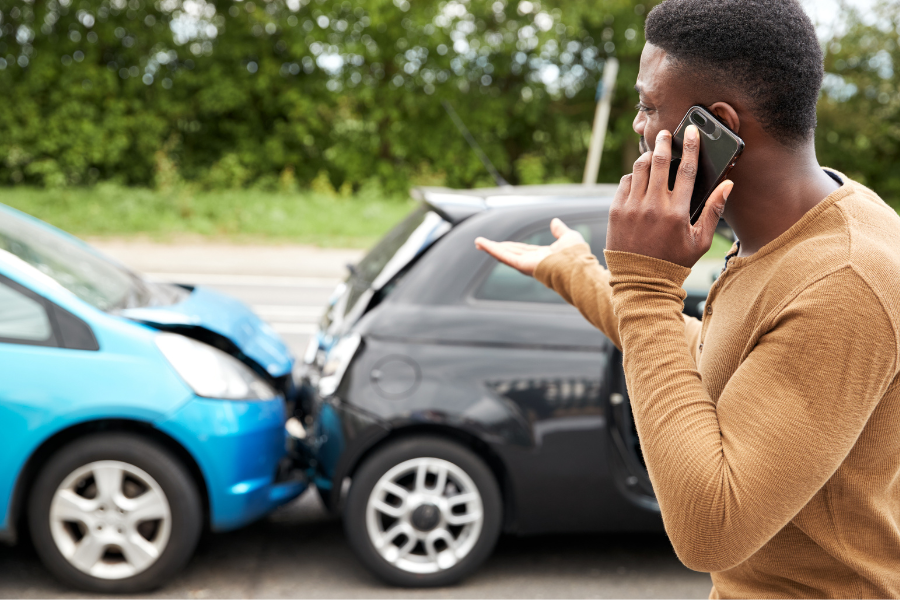
A car crash can leave you feeling shaken and overwhelmed. However, knowing exactly how to respond in the immediate aftermath makes a significant difference in protecting your health, your rights, and your financial well-being. Alberta enforces clear legal and insurance requirements that every driver must follow after a collision.
Taking the correct steps keeps you compliant with provincial laws while strengthening your position for a future insurance claim or legal dispute. This guide breaks down exactly what you need to do at the scene of the crash, how to report the collision, and when to seek legal support from Main Street Law LLP.
Prioritize Safety First
Your immediate priority after a collision is the safety of everyone involved. Check yourself and your passengers for injuries. Call 911 right away if anyone requires medical attention.
If the vehicles are safe to move, pull over to the shoulder of the road to avoid blocking traffic and prevent secondary collisions. Turn on your hazard lights immediately. If you have warning triangles or flares in your emergency kit, set them up to alert oncoming drivers.
Know When to Call the Police
Alberta law requires you to report a collision to the police immediately under specific circumstances. You must call law enforcement if:
- Anyone is injured or killed
- You are the victim of a hit-and-run
- Another driver appears impaired by drugs or alcohol
- The total combined damage to all vehicles and property exceeds $5,000
- A vehicle is completely un-driveable or is obstructing traffic
If the police do not attend the scene, you must report the accident to a Collision Support Centre as soon as possible. Failing to report a serious accident can result in heavy fines and severely complicate your insurance claim.
Exchange Information Properly
You need to collect accurate details from all other drivers involved in the crash. Be sure to gather the following information:
- Full names and phone numbers
- Driver’s license numbers
- License plate numbers
- Insurance company names and specific policy numbers
Keep your conversation with the other driver calm and strictly factual. Never apologize or discuss who caused the crash. Admitting fault at the scene can negatively impact how insurance companies and legal professionals determine liability later on.
Document the Scene Thoroughly
Proper documentation serves as your strongest evidence after a crash. Use your smartphone to take clear photos and videos of the scene. Capture the damage to all vehicles, the overall layout of the intersection or road, current weather conditions, and any relevant traffic signs.
If bystanders saw the crash happen, ask for their names and contact information. Witness statements provide critical objective evidence if the other driver disputes your version of events.
Seek Medical Attention Right Away
You should always see a doctor after a collision, even if you feel completely fine. Shock and adrenaline often mask the pain of severe injuries. Conditions like whiplash, soft tissue damage, or concussions can take days to surface. Getting checked by a medical professional immediately creates an official record of your condition, which protects both your physical recovery and your potential personal injury claim.
Notify Your Insurance Company
Contact your insurance provider to report the accident as soon as you can. Provide them with the factual details you gathered, along with your photos and witness information.
Alberta operates under a fault-based insurance system, which means the at-fault driver bears responsibility for the damages. However, you can often access accident benefits through your own insurance policy to cover immediate medical treatments, regardless of who caused the crash.
Visit a Collision Reporting Centre
If the police did not visit the accident scene, and the crash meets the legal reporting requirements, you must visit a local Collision Reporting Centre. You generally have 24 hours to complete this step. Bring your driver’s license, vehicle registration, insurance documents, and the photos you took. The center will provide you with a report number, which your insurance company will need to process your claim.
Keep Meticulous Records
Staying organized prevents massive headaches down the road. Keep a dedicated file for all documents related to your collision. This should include your police or reporting center file numbers, all correspondence with insurance adjusters, medical records, therapy receipts, and vehicle repair estimates. Maintaining organized records smooths out the claims process and protects you if unexpected disputes arise.
How Main Street Law LLP Can Help
You do not necessarily need a lawyer for a minor fender bender, but complex situations require professional guidance. If you suffered serious injuries, face unclear liability, or experience pushback from an insurance adjuster, securing legal advice early gives you a distinct advantage.
After an accident, paperwork and insurance negotiations quickly become exhausting. Our team at Main Street Law LLP understands Alberta’s specific traffic laws and insurance regulations. We work closely with our clients to navigate personal injury claims, handle stubborn insurance disputes, clarify fault, and pursue fair compensation for your damages. Partnering with a local legal team ensures you never have to face the recovery process alone.
Take control of your situation. Stay calm, follow Alberta’s reporting laws, and reach out to the professionals at Main Street Law LLP to protect your future.If you’ve been involved in a car accident and need legal guidance, don’t wait—contact Main Street Law LLP today for a confidential consultation. Let our experienced team help you understand your rights, deal with insurance companies, and secure the compensation you deserve. Your recovery and peace of mind are our priority.
